
Trump's Executive Order Targeting the Homeless
On July 24, 2025, President Trump signed an executive order directing federal agencies to enable the involuntary institutionalization of unhoused individuals with mental illness or addiction. The order conditions grant funding on local enforcement of laws against public camping, open drug use, loitering, and squatting. It also restricts support for programs that prioritize Housing First models or harm‑reduction strategies, while encouraging increased use of civil commitment and treatment facilities
The policy presents homelessness and mental illness primarily as public safety risks. It requires reversal of judicial precedents and consent decrees that hinder forced treatment of those "living on the streets and cannot care for themselves." Jurisdictions that enforce anti‑vagrancy laws are prioritized for federal grants. Funding to programs allowing supervised drug use or emphasizing housing without mandatory treatment may be cut. If there is a way to be cruel to this population via executive order, it's in there.

A Unified Response:
Advocates, nonprofit organizations, and cities of all persuasions criticized the order as punitive rather than compassionate. The National Homelessness Law Center called it a policy based on "outdated, racist myths about homelessness," warning it will worsen housing instability. The ACLU condemned the push for forced institutionalization as unethical and ineffective, highlighting past harm from psychiatric institutions
The National Low Income Housing Coalition and National Alliance to End Homelessness pointed out that the order actively de-prioritizes Housing First and harm reduction practices, which have repeatedly proven effective in reducing homelessness. NAMI (National Alliance on Mental Illness) emphasized that mental illness is not a crime and institutional policies harm those they intend to protect.
Some communities, such as in California, noted that provisions in the order mirror policies already in use following the Supreme Court decision in Grants Pass v. Johnson. Despite this, many local leaders explicitly rejected the order’s tone and broader implications.
Why This Matters:
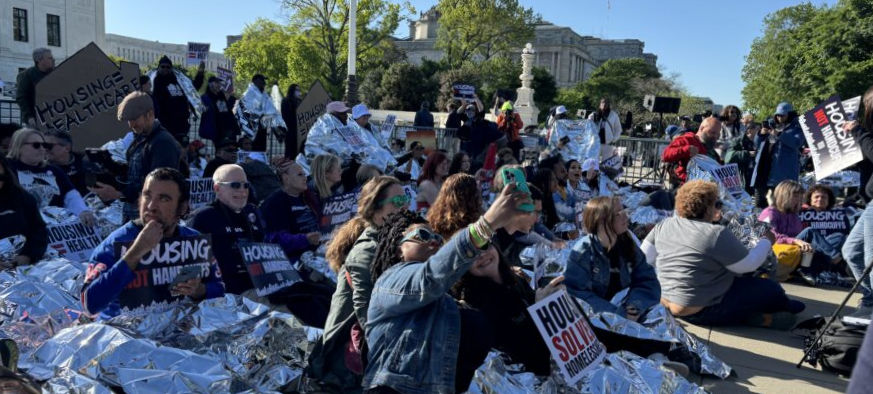
Civil rights and housing justice advocates warn this marks a return to criminalizing homelessness. The "Broken Windows" logic underpins the policy by suggesting order precedes safety, leading to actions like sweeps and citations without offering real support. History shows such approaches cost cities more and often endanger marginalized populations instead of helping them.
Rather than investing in affordable housing, supportive services, or voluntary mental health care, the order emphasizes enforcement and control, without expanding proven housing-first infrastructure. This executive order frames homelessness as a crime instead of a systemic crisis in need of housing, healthcare, and dignity.
Take Action: Join Housing Not Handcuffs, an initiative started by the National Homelessness Law Center, the National Coalition for the Homeless, and more than 100 other participating organizations including The Rehumanization Project.
Without matching investment in treatment or housing infrastructure, it risks repeating failed, punitive histories and exacerbating the suffering of those already most marginalized.


Comments